



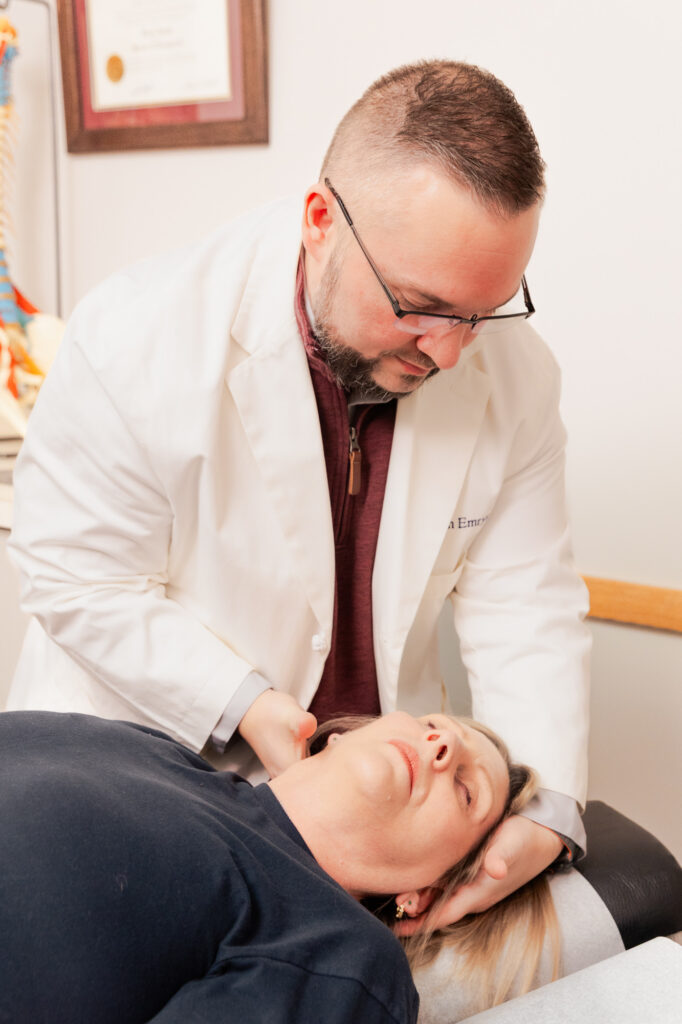
Yes, many patients begin pinched nerve treatment in West Bloomfield at Michigan Spine & Pain to experience nonsurgical care. Your specialist may combine targeted pain relief with physical therapy to address the compressed nerve and aggravating movements.
Pinched Nerve Treatment in West Bloomfield
Restore
Comfortable Movement
Pain that travels across your body or sudden changes in sensation can make movement feel unpredictable or intimidating. You deserve to move through life with confidence.
Locations Offered
West Bloomfield / Mt. Pleasant
Approach
Nonsurgical / Interventional
Downtime
Varies by treatment
Initial Results
Varies by treatment
When a Pinched Nerve Disrupts Movement
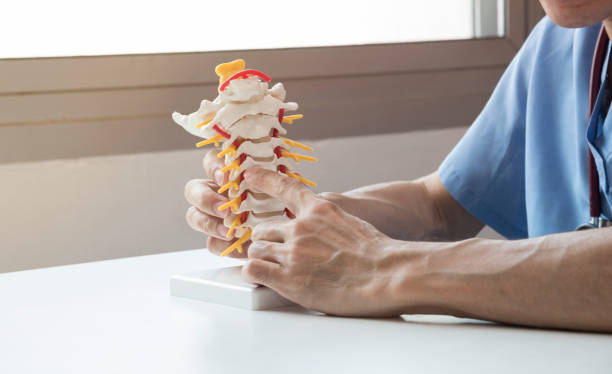
Nerves carry messages between the spinal cord and the rest of the body. When something crowds one of those pathways, the nerve signal may change. You might notice burning or numbness down an arm or leg, sometimes with weakness that makes familiar movements harder.
At Michigan Spine & Pain, we begin pinched nerve treatment in West Bloomfield by identifying where pressure disrupts the nerve and what is pressing against it. From there, we recommend nonsurgical care that relieves the blockage, frees the nerve pathway, and helps the affected limb move more naturally.
How We Treat Pinched Nerves
Find Your
Treatment Match

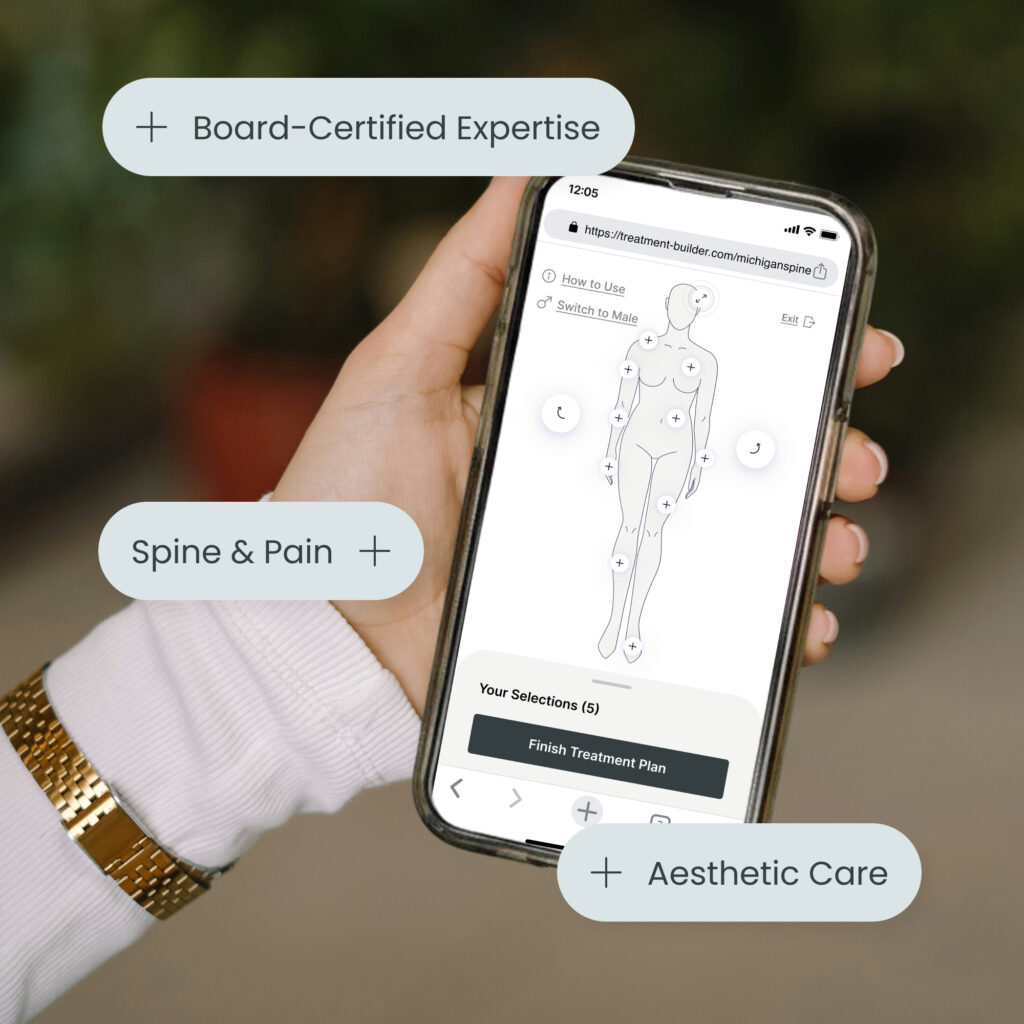
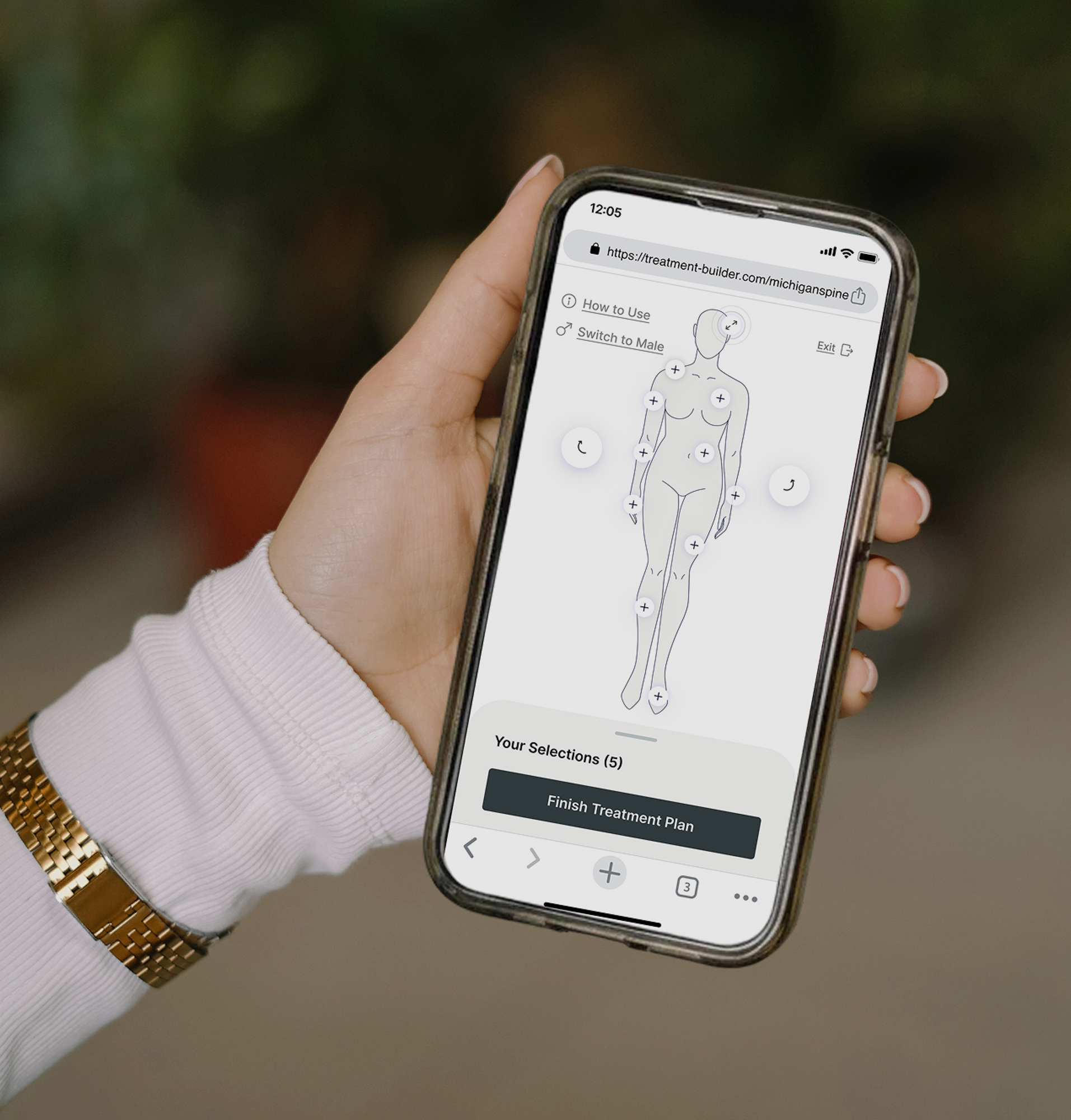
Every person experiences pain differently. Share your symptoms through our Treatment Planning Tool and receive a personalized treatment plan from our experts.
Our Most Common Recommendations
1
Step 1: Find the Pinched Nerve
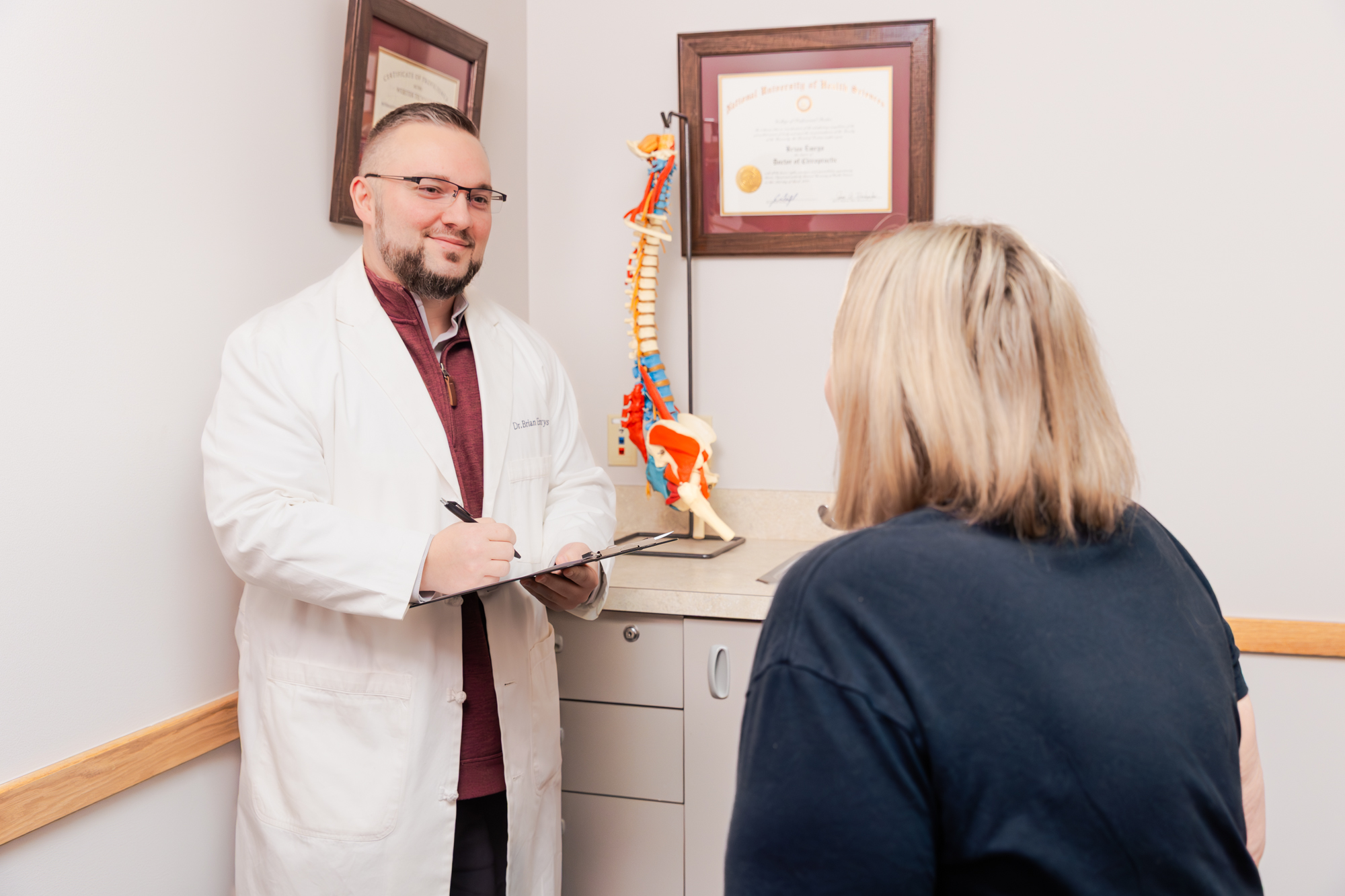
During your initial appointment at Michigan Spine & Pain, our back pain doctors trace where pain or changes in sensation begin and where they travel in the body. We check strength and reflexes, review available imaging, and order EMG testing when needed to pinpoint the pinched nerve.
2
Step 2: Reduce Inflammation and Pain Signals
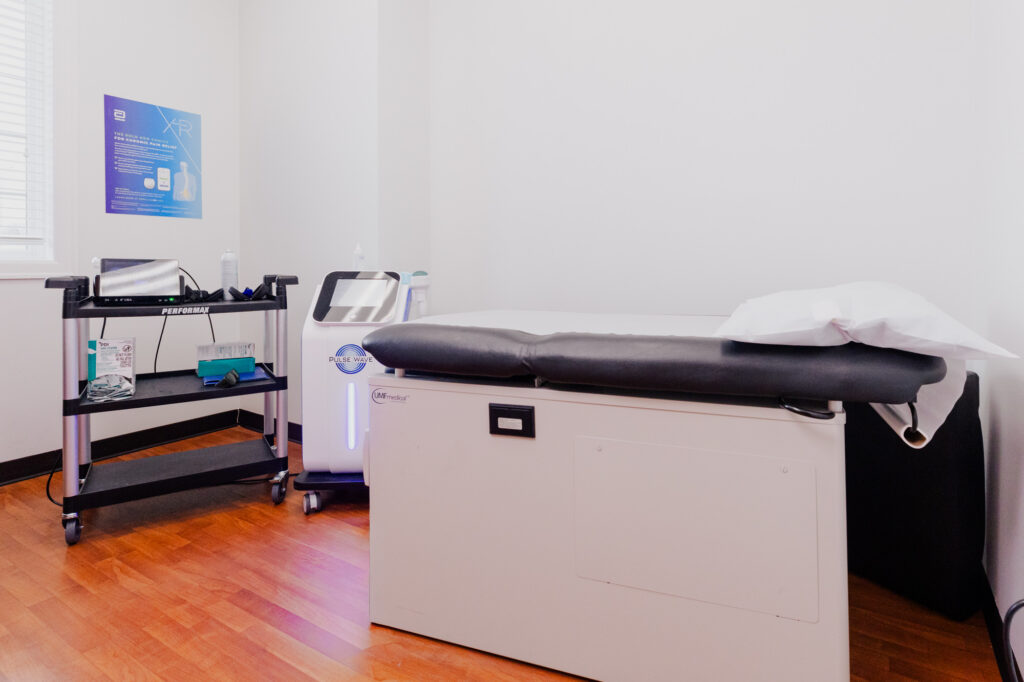
When swelling surrounds a compressed spinal nerve, our specialists may recommend an epidural steroid injection to calm the area and minimize inflammation. If symptoms follow one clear route, a nerve block can interrupt those specific pain signals, making the affected limb easier to move.
3
Step 3: Relieve Ongoing Pressure
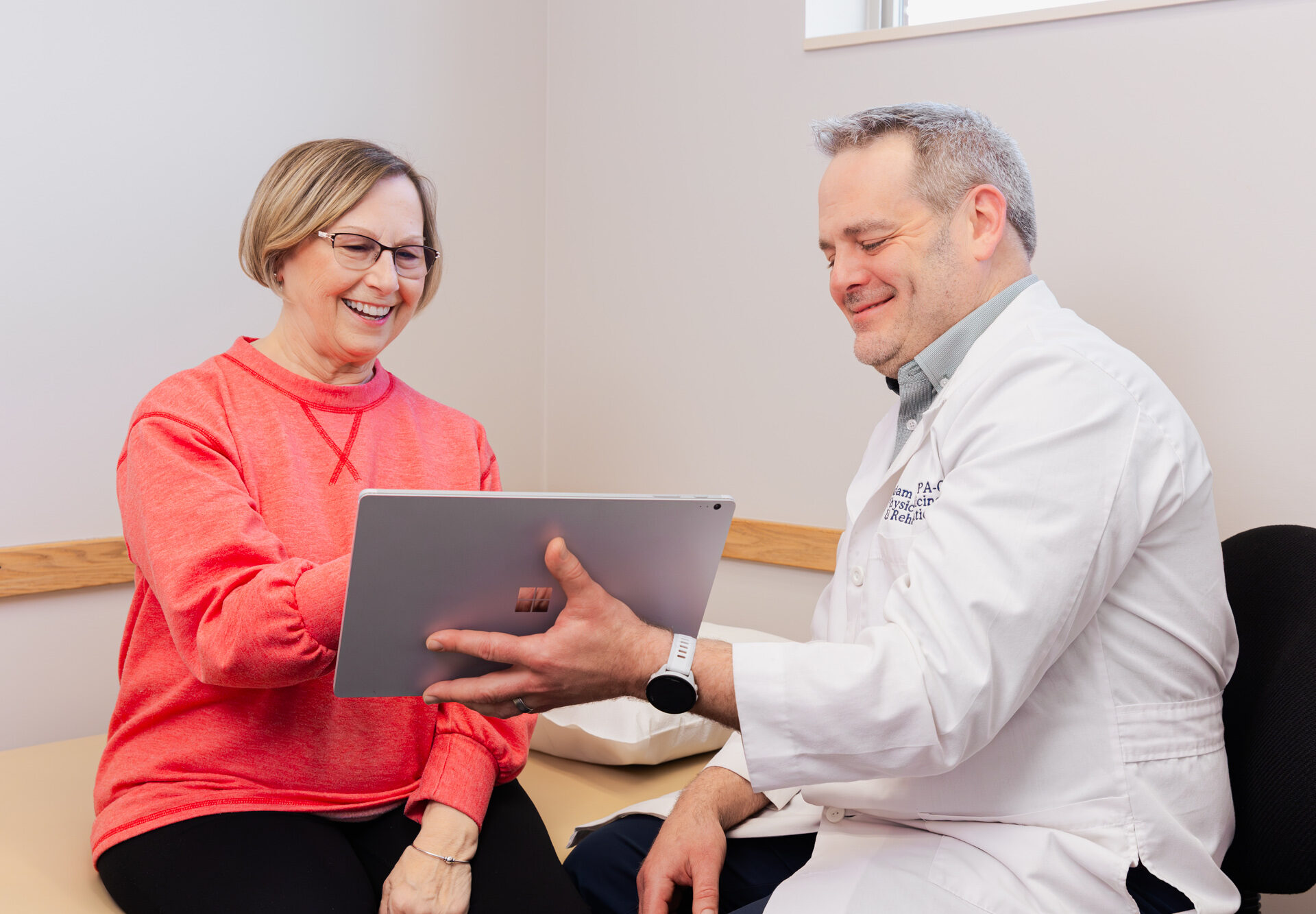
When a disc or narrowed spinal passage keeps pressing against the nerve, our specialists may recommend nonsurgical spinal decompression. Relieving that pressure can free the nerve, easing pain and altered sensation caused by ongoing compression.
Frequently Asked Questions
Yes. If strong pressure continues too long, the nerve may stop carrying signals normally. This can cause lasting numbness, weakness, or reduced muscle control.
We recommend scheduling an evaluation when pain returns regularly, you experience lingering numbness, or weakness changes how you move. Prompt care can identify possible sources of pressure before changes become permanent.
If you experience sudden severe weakness or changes in bladder or bowel control, seek urgent medical attention.
Connect With Us
Your questions matter. Let’s answer them together.
Reach out with questions or use our treatment building tool to share what you’re experiencing. We’ll help you find the next steps that make sense for your life.