

No. At Michigan Spine & Pain, we use a digital motion X-ray in Michigan when we need information that static scans can’t show. MRI and standard X-rays still matter, but DMX helps clinicians evaluate how joints behave during movement so decisions don’t rely on incomplete data.
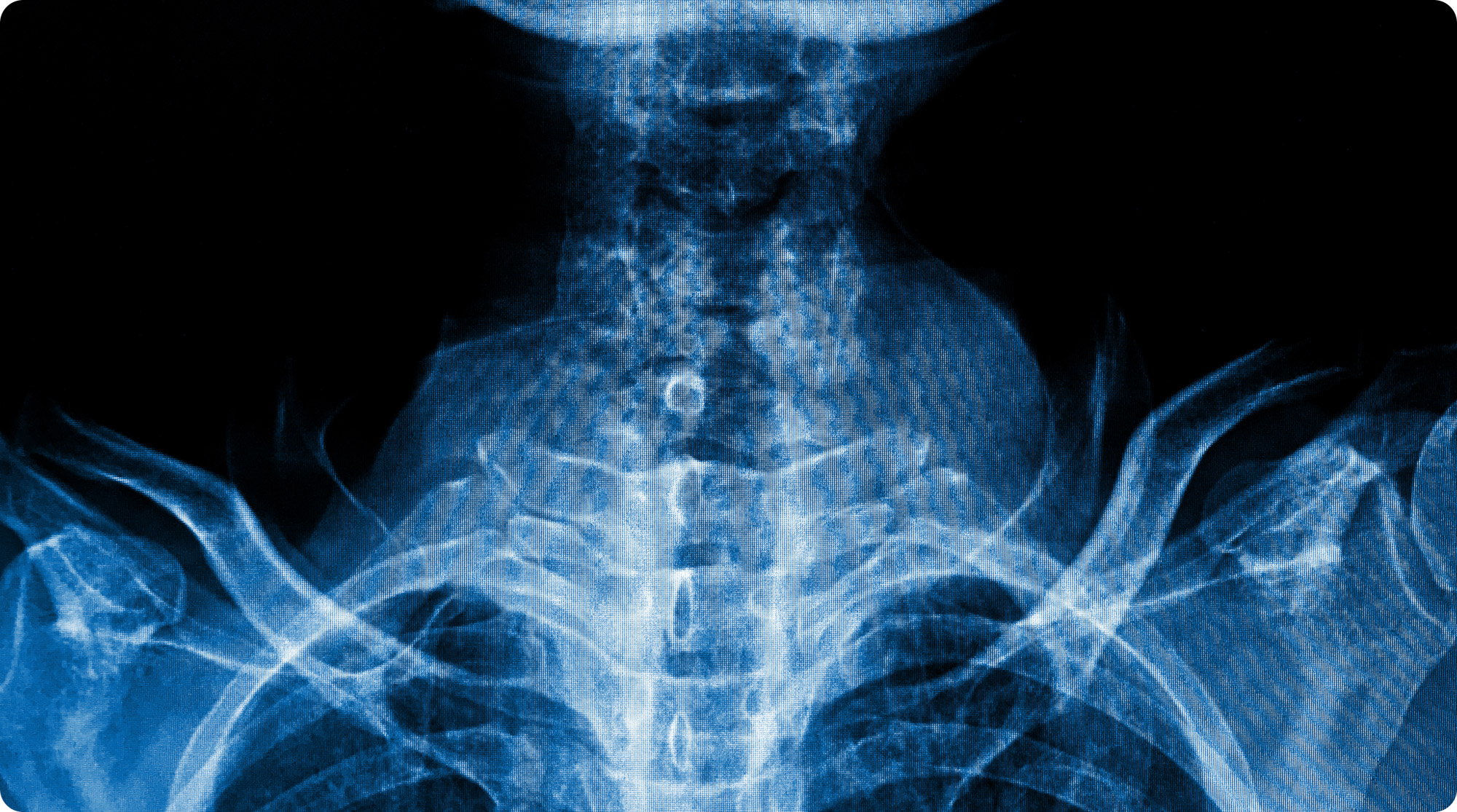
Digital Motion X-ray (DMX) in West Bloomfield & Mt. Pleasant, MI
See Why Motion
Triggers Pain
Movement Adds Context to Symptoms
Real people. Real pain relief. At Michigan Spine & Pain, we find the source of your pain, helping you heal with the full spectrum of modern pain treatments, and get you back to the life you’ve worked hard to maintain.
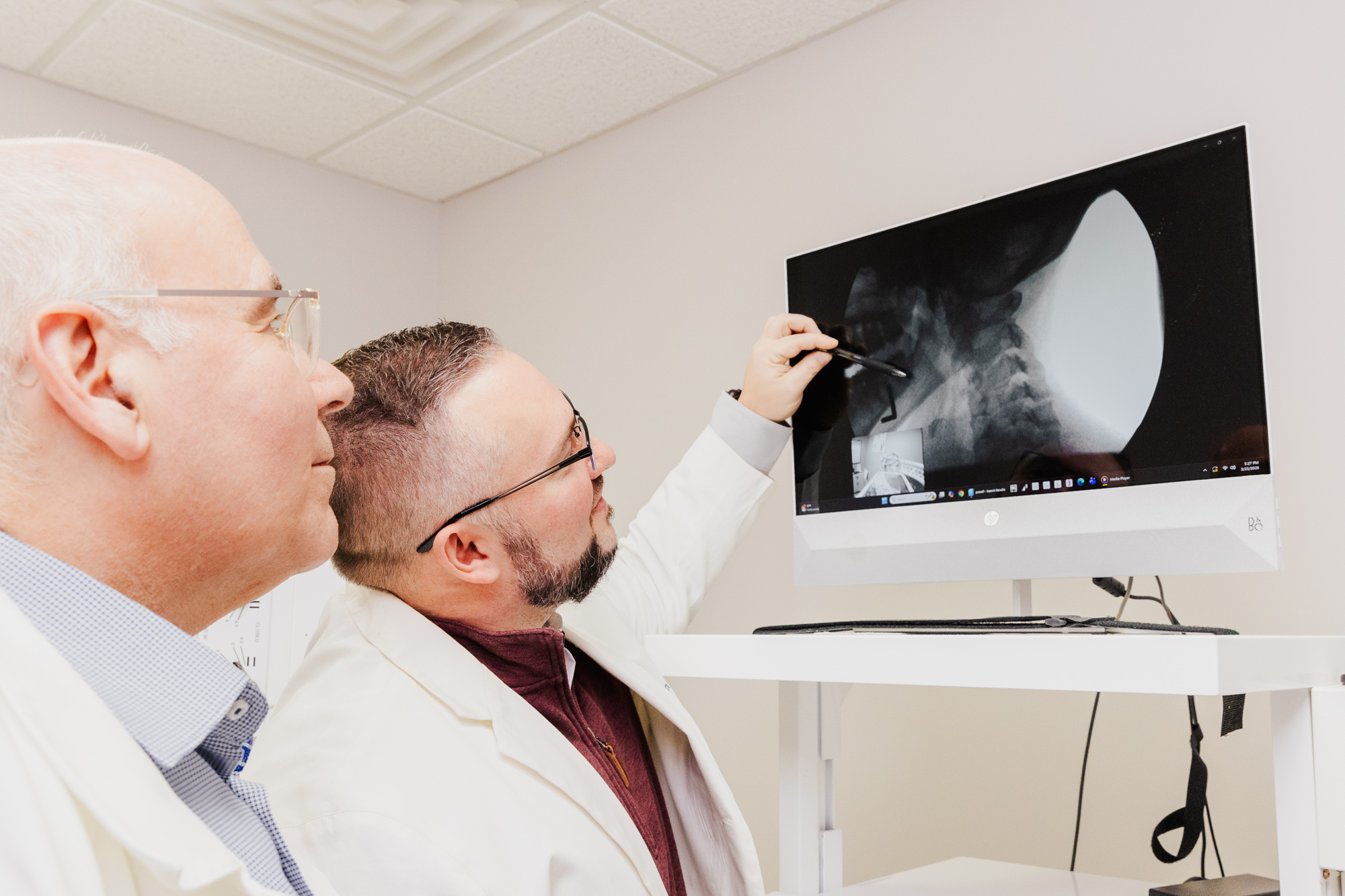
DMX imaging records X-rays while you move, so your care team can evaluate how a joint behaves in real time. It helps answer one key question before treatment: Does movement change what we see and how we should respond?

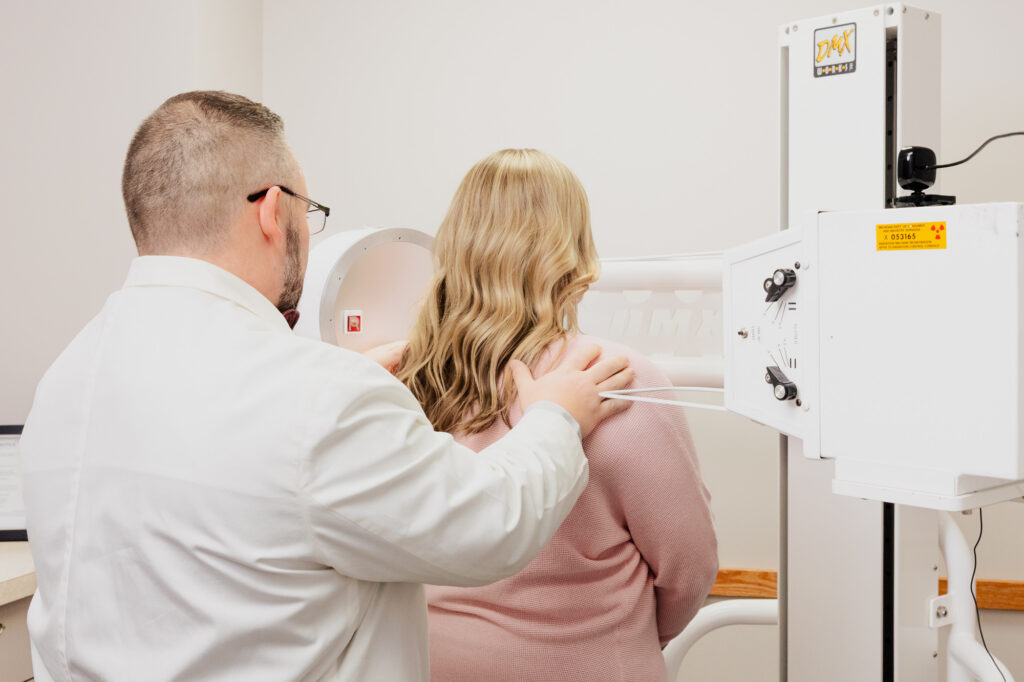
A Diagnostic Step in the Right Direction
DMX helps evaluate pain and instability patterns when symptoms spike during turning, bending, or weight-bearing.
Common reasons we use DMX imaging:
-
Post-trauma pain
-
Instability concerns
-
Ligament questions
-
“Normal” MRI
-
Neck motion pain
-
Joint pain with movement
-
Persistent flare-ups

3 Steps to Provide Relief
1
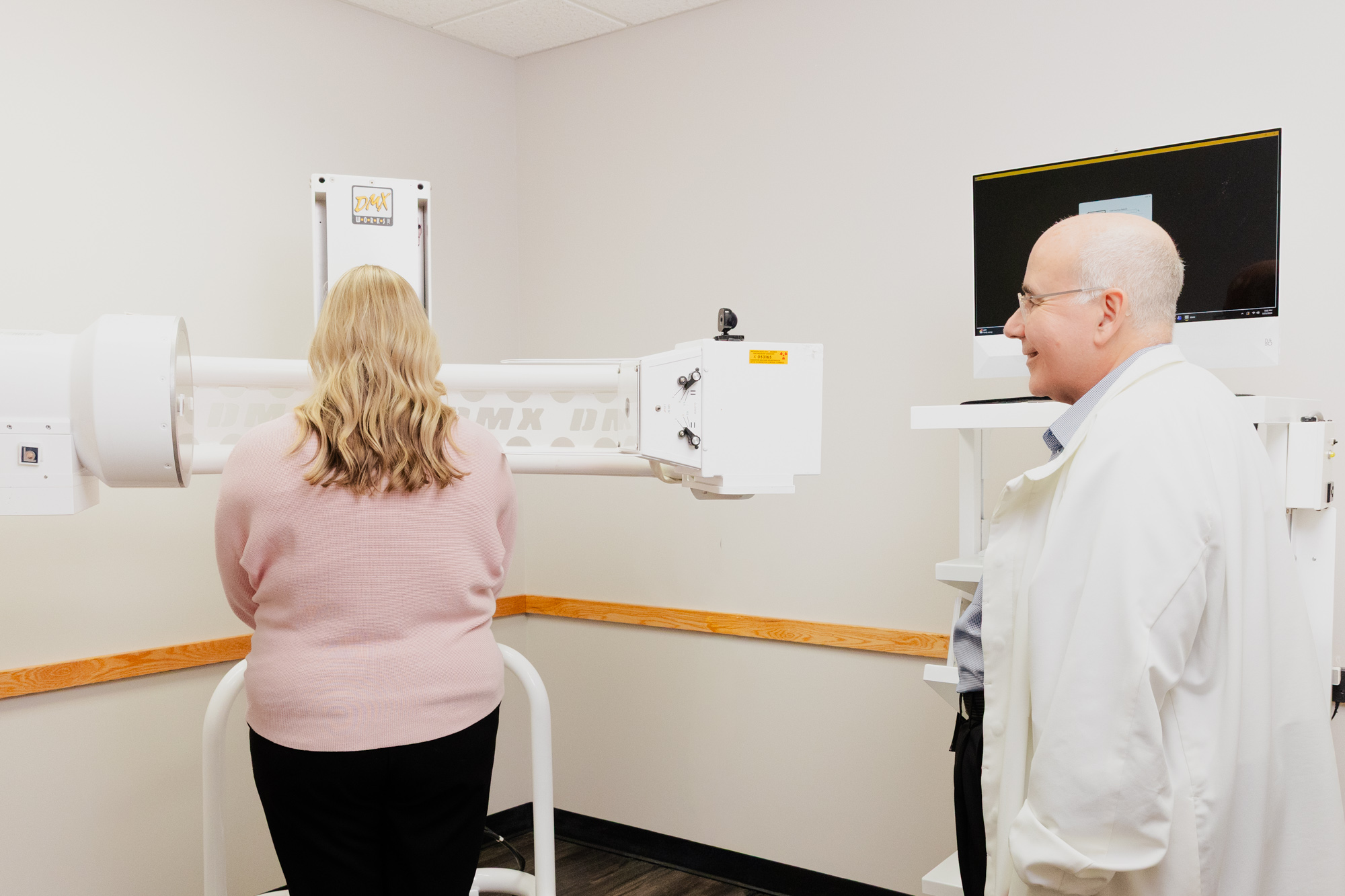
Identifying the Right Target
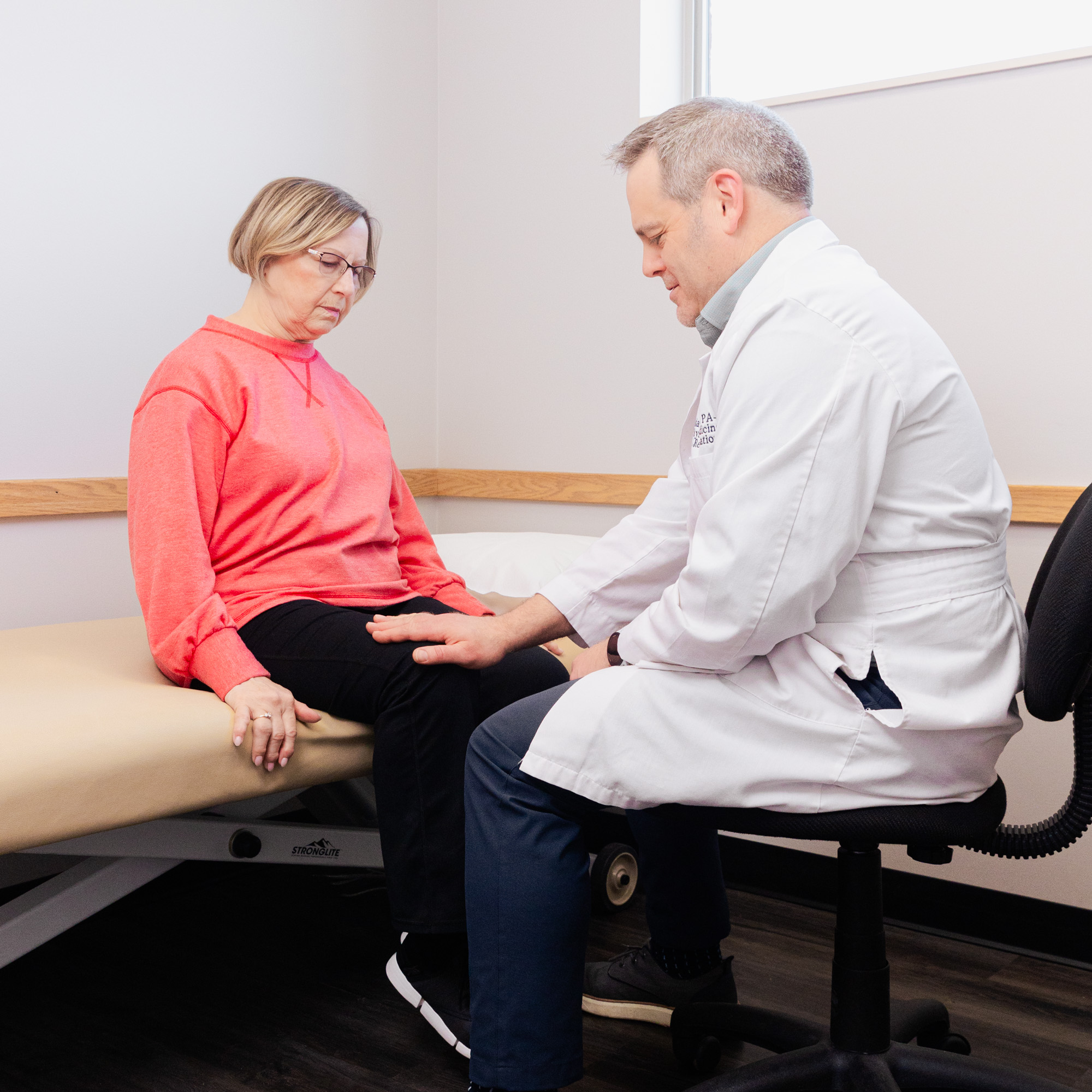
You explain what hurts, which movements trigger symptoms, and where instability shows up. If pain appears during motion, it makes sense to evaluate that area in motion—not just at rest like traditional X-rays, CT scans, or MRI.
2
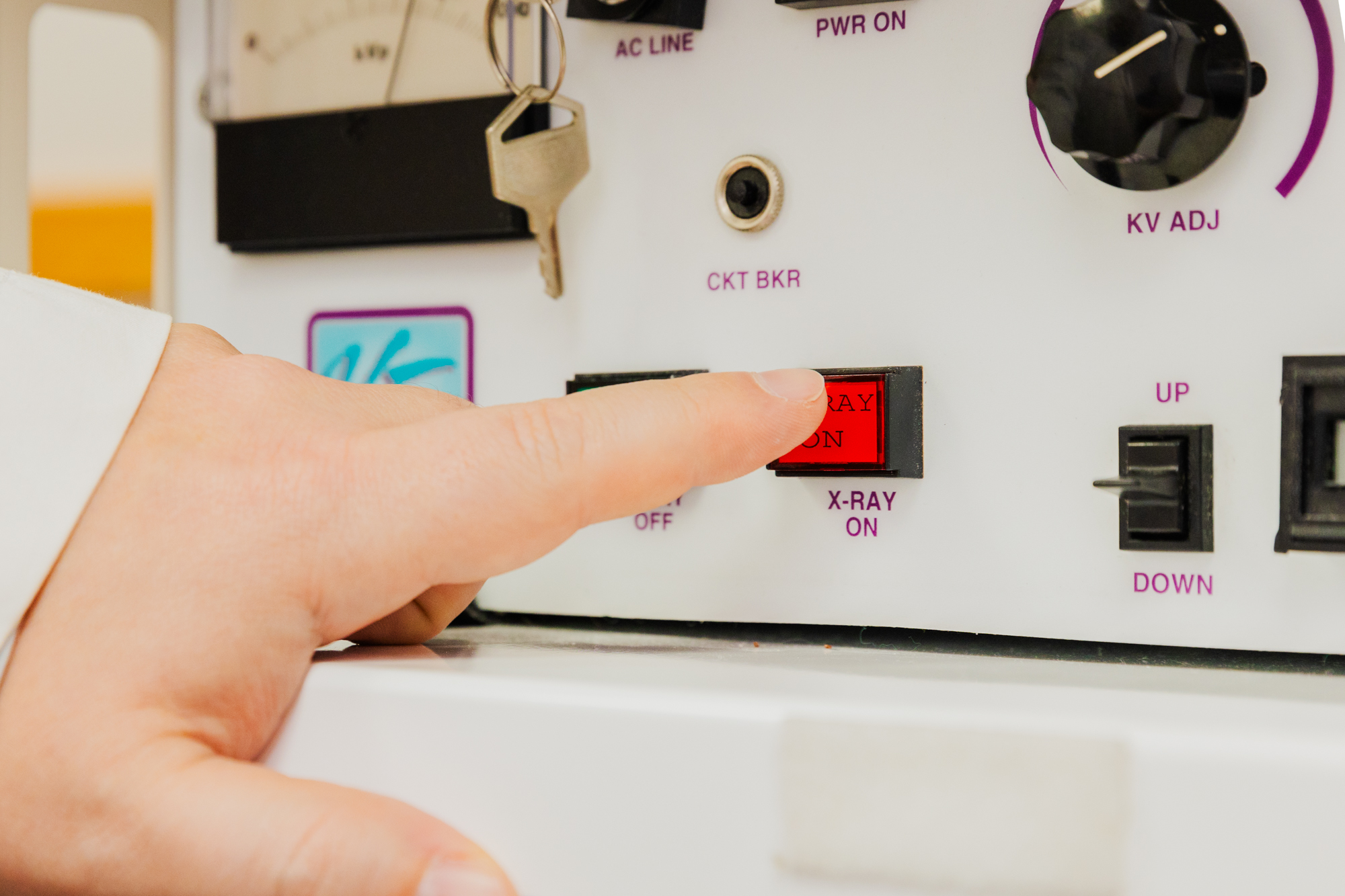
Capturing Your Movement
You move through guided positions while the DMX system records joint motion in real time. The exam is not painful and doesn’t require numbing or recovery time.
3
Using the Results to Guide Care
After the report is complete, your care team reviews the results, talks them through with you, and applies them to your treatment plan.
Discover Your
Treatment Options
Let us know what’s painful and what matters most to you. We’ll take a closer look and reach out with a thoughtful starting point for your care.

Why We Recommend DMX Imaging
Clearer Decision-Making
DMX gives your care team concrete information to act on. That clarity helps prioritize the right area, avoid guesswork, and move treatment forward with confidence.
Treatment That Stays Focused
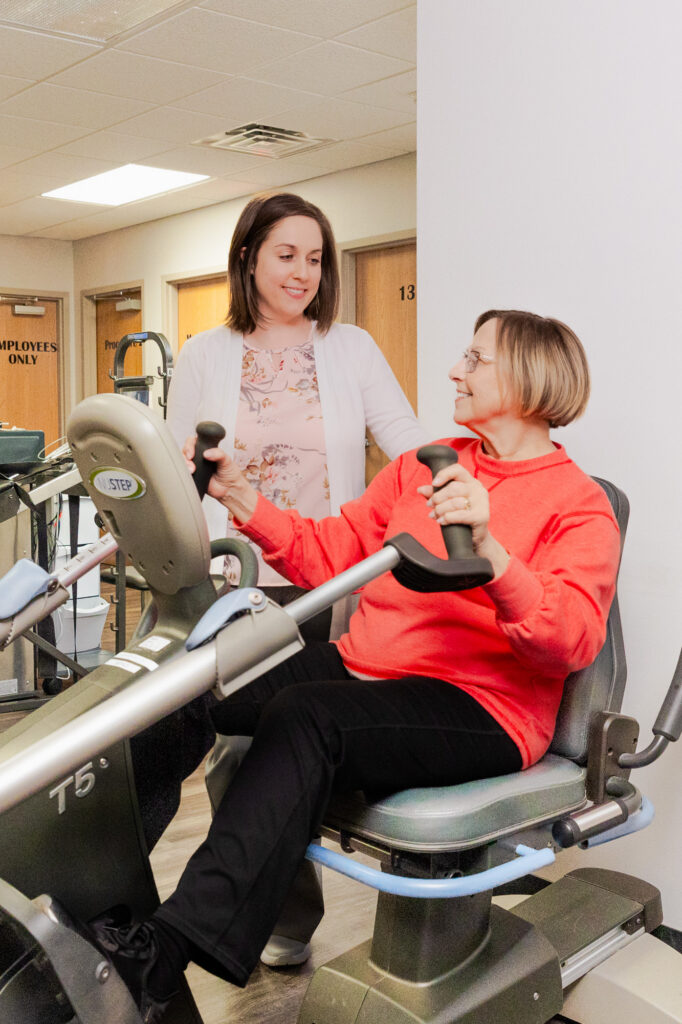
Providers use DMX findings to fine-tune care recommendations. Therapy, rehabilitation, or manual work can stay targeted and evolve as symptoms change.
More In-depth Context After Injury
After an accident or hard fall, DMX gives your team a clearer reference point for ongoing symptoms. That context helps guide care forward instead of revisiting the same questions.
Frequently Asked Questions
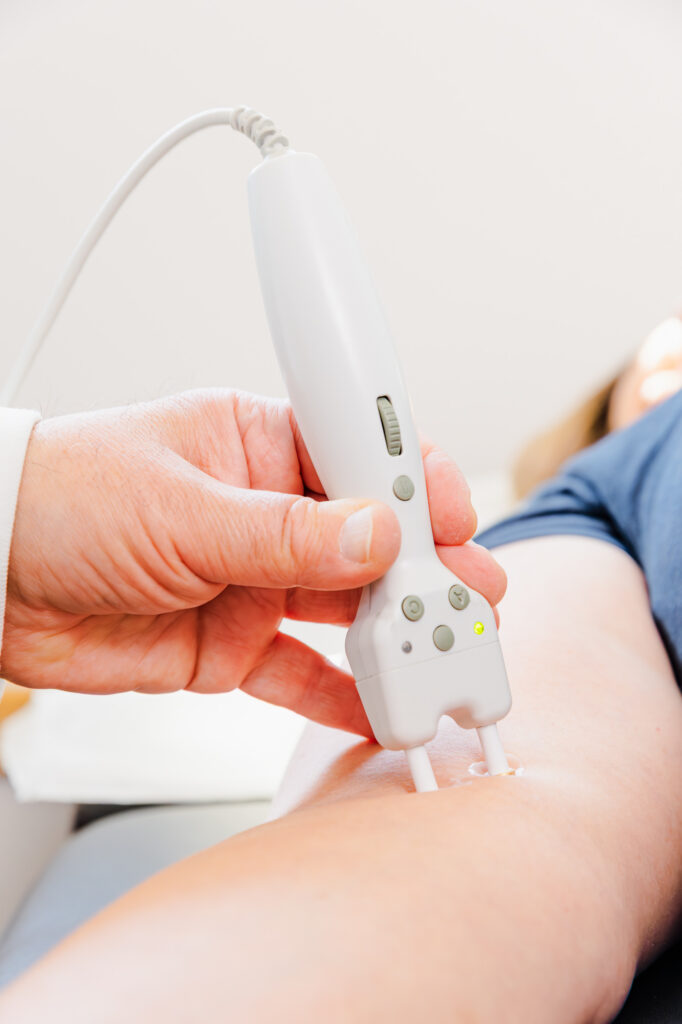
Board-certified providers review every report from our digital motion X-ray in Michigan at MSP and interpret it in the context of your exam, symptoms, and prior imaging. Your care team then explains the findings and connects them directly to your next step. This could lead to personalized physical therapy options or pain-relieving treatments like nerve blocks.
Yes, in the right situation. When symptoms persist despite prior imaging, getting a digital motion X-ray in Michigan from Michigan Spine & Pain can offer additional insight. This can help us see results related to motion-related instability or joint behavior that may not appear in earlier studies.

Connect With Us
Your questions matter. Let’s answer them together.
Reach out with questions or use our treatment building tool to share what you’re experiencing. We’ll help you find the next steps that make sense for your life.