
Nerve blocks typically serve both roles. The numbing medicine near the nerve can provide short-term relief so you feel a tangible change in your pain. Just as important, your response helps your provider confirm whether that nerve is truly involved. This is why we use nerve block injections in West Bloomfield as an early step before longer-acting options like radiofrequency ablation or other interventional procedures.

Nerve Block Injections in West Bloomfield & Mt. Pleasant, MI
Interrupt Pain
at Its Source
Procedure Length
30 to 60 Minutes
Anesthetic Type
Local
Downtime
Minimal
Initial Results
1 to 3 Days
We Find The Source of The Pain
Real people. Real pain relief. At Michigan Spine & Pain, we find the source of your pain, helping you heal with the full spectrum of modern pain treatments, and get you back to the life you’ve worked hard to maintain.
Living with ongoing pain often means living with unanswered questions. We use nerve blocks to help replace that uncertainty with clearer insight, allowing us to understand how your body responds and guide your care with more precision and intention.
What Nerve Blocks Treat
Nerve blocks interrupt pain signals from specific nerves. That way, conditions that radiate, burn, or throb along the nerve pathways become easier to manage and treat.
Common Pain Patterns We Target:
-
Neck-related headaches
-
Radiating arm or leg pain
-
Facet-related spine pain
-
Complex regional pain syndrome (CRPS)
-
Nerve-related shoulder pain

3 Steps to Provide Relief

1
Map the Pain & Plan
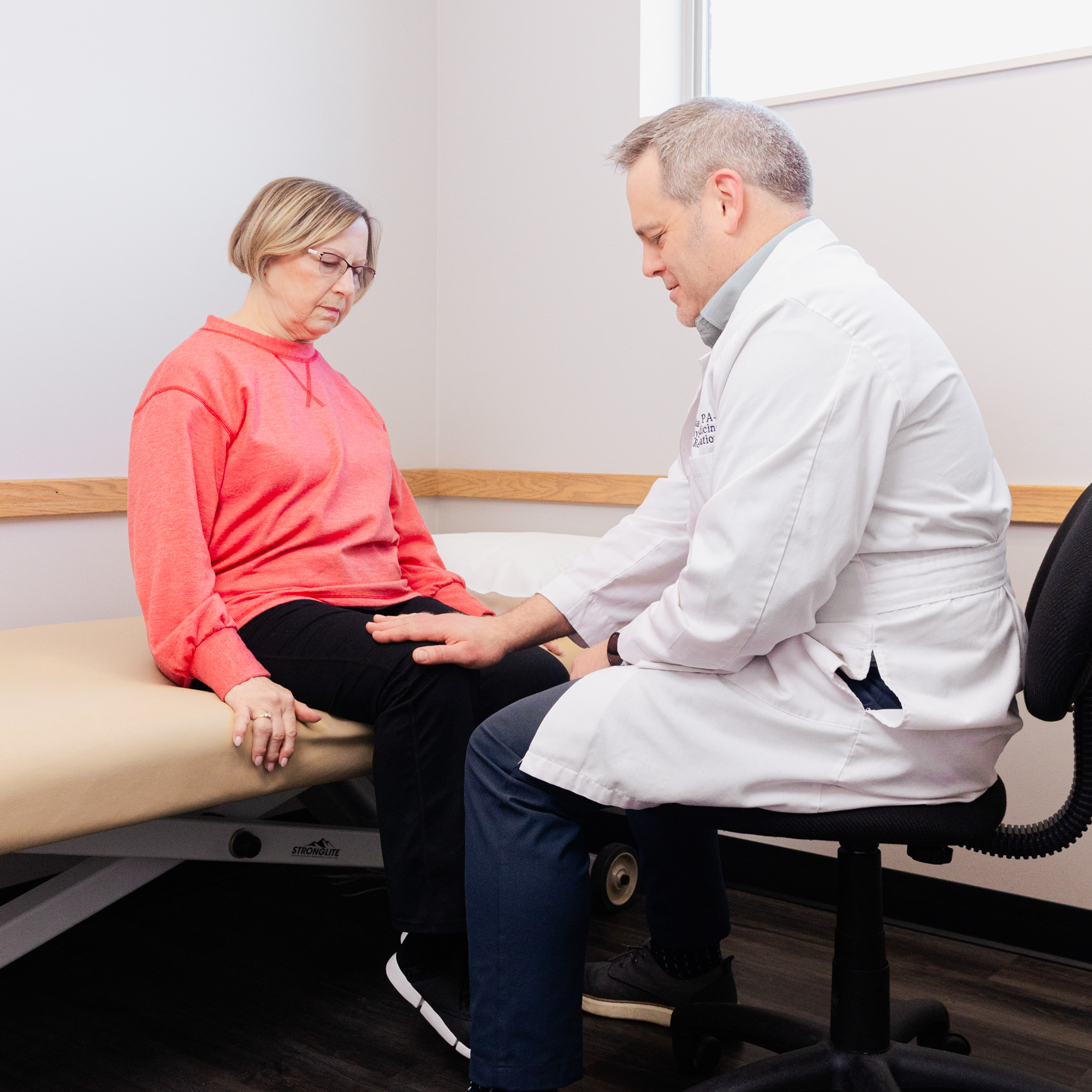
Your clinician reviews your history, imaging, and pain pattern, then chooses the nerve or nerve group most likely sending pain signals.
2
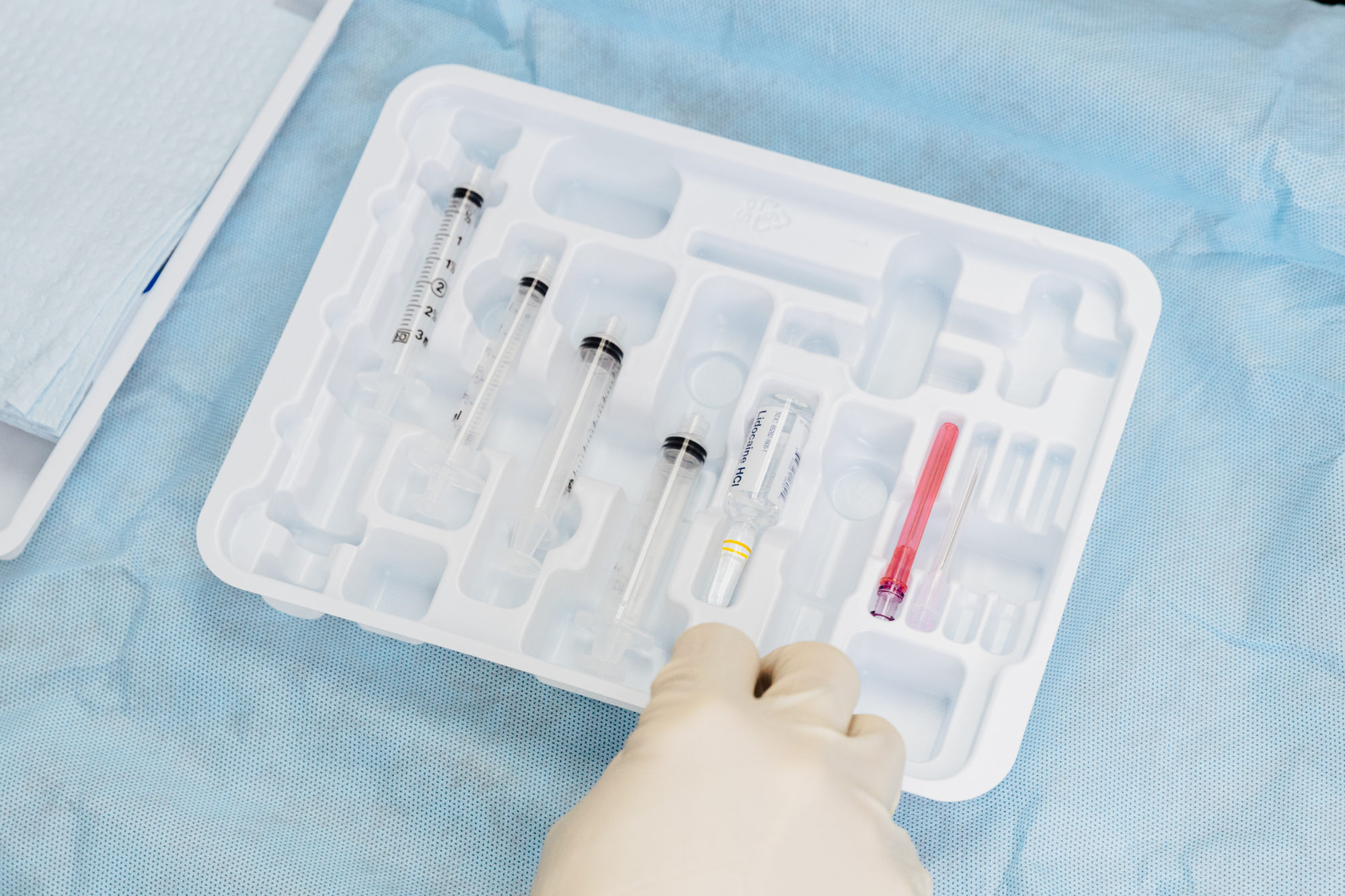
Place a Precise Nerve Block
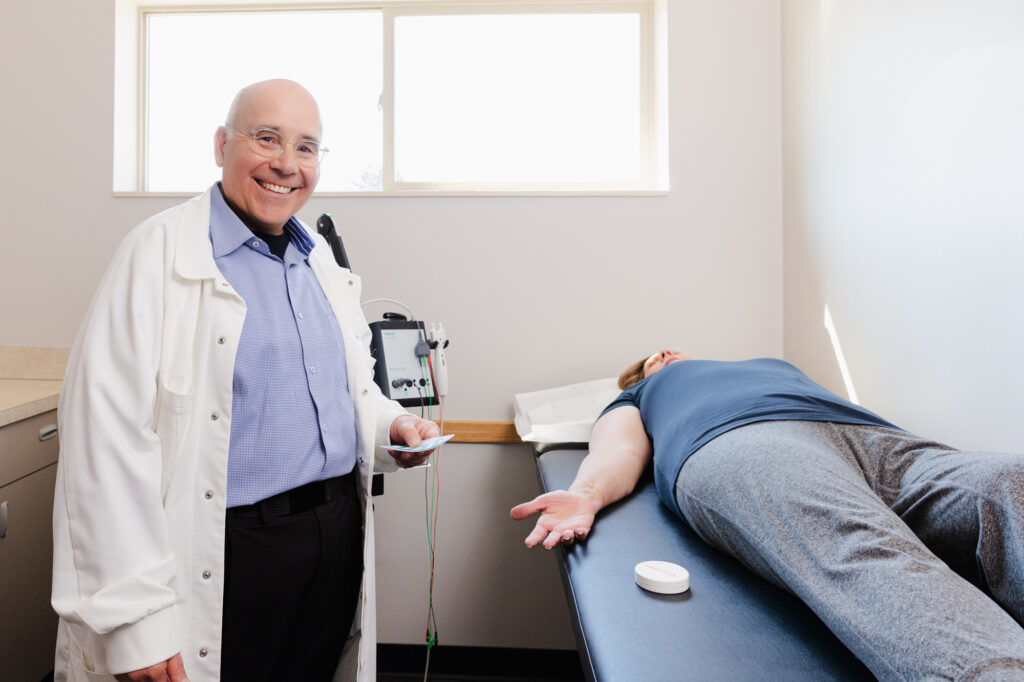
After numbing the skin, the provider uses imaging guidance when needed and injects numbing medicine near the targeted nerve to interrupt pain messages.

3
Watch How Your Pain Responds
Share how your pain changes when moving and doing activities. That response helps your provider adjust—whether that means repeating the block, moving toward radiofrequency ablation, or refining next steps.
Discover Your
Treatment Options
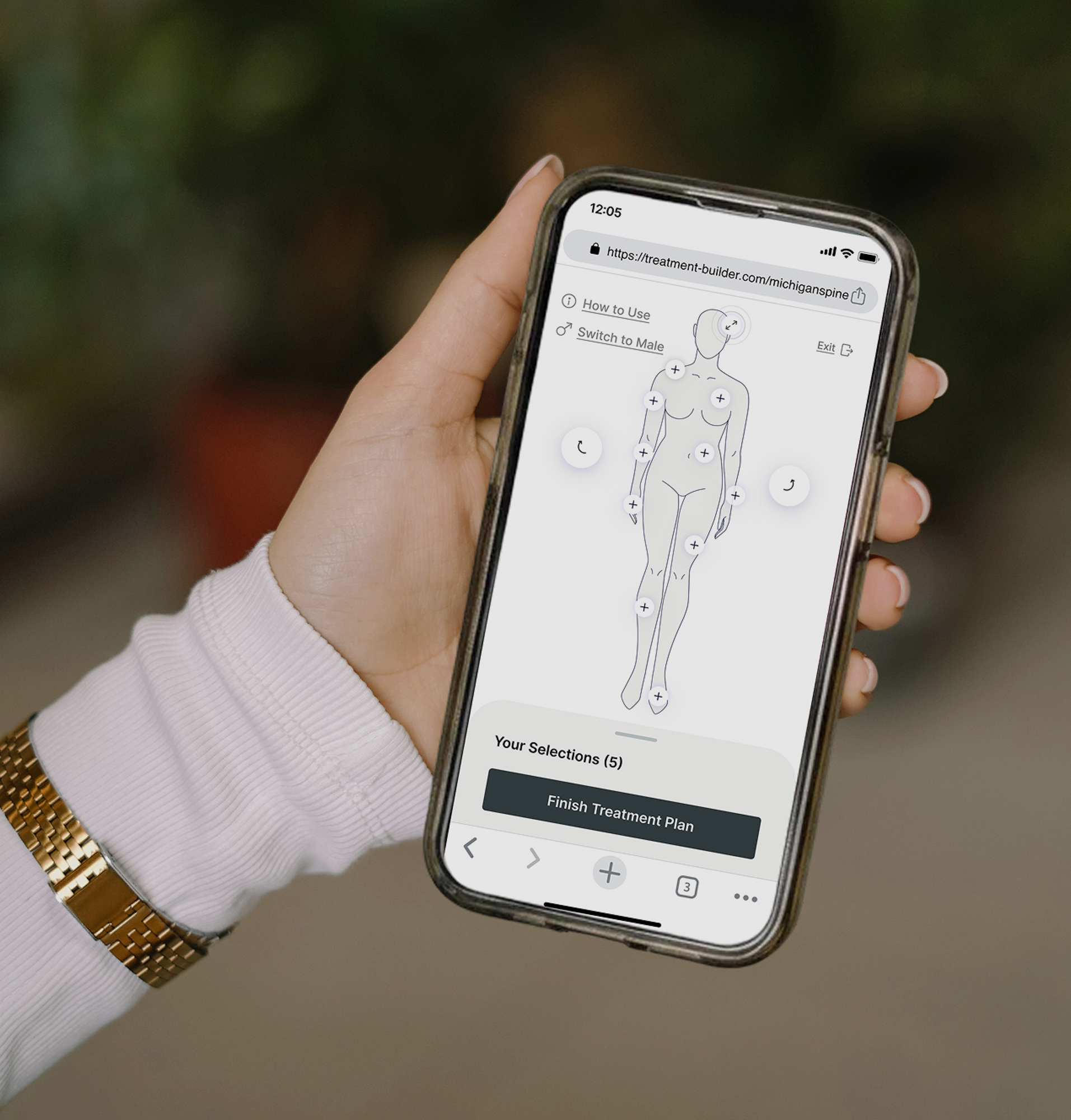
Let us know what’s painful and what matters most to you. We’ll take a closer look and reach out with a thoughtful starting point for your care.
Frequently Asked Questions
Relief can start within minutes to hours, depending on the medication used and the nerve targeted. Some blocks are designed to last only long enough to gather diagnostic information, while others may provide days or weeks of improved comfort.
If a diagnostic block provides meaningful but temporary relief, your provider may recommend radiofrequency ablation as a longer-lasting next step. During your consultation for getting nerve block injections in West Bloomfield from MSP, your provider will explain what to expect for your specific block.
Mild soreness or temporary numbness around the treated area is common for 1 to 3 days after treatment. Most of our patients getting nerve block injections in West Bloomfield return to light activity quickly and then follow any specific instructions about testing movement or tracking symptoms.
Why We Recommend Nerve Blocks
Calmer, More Focused Pain Relief
Nerve blocks directly quiet specific nerves, interrupting pain signals so the area they serve feels calmer and more manageable, often within hours of the injection.
Clear Direction for What Comes Next
Your response to a nerve block gives your provider valuable insight into which nerves drive your pain, helping guide thoughtful decisions about next steps with greater confidence.
More Confident, Purposeful Care
Rather than relying on broad medications, nerve blocks provide clear information that reduces guesswork and allows your care team to further personalise your treatment.


Connect With Us
Your questions matter. Let’s answer them together.
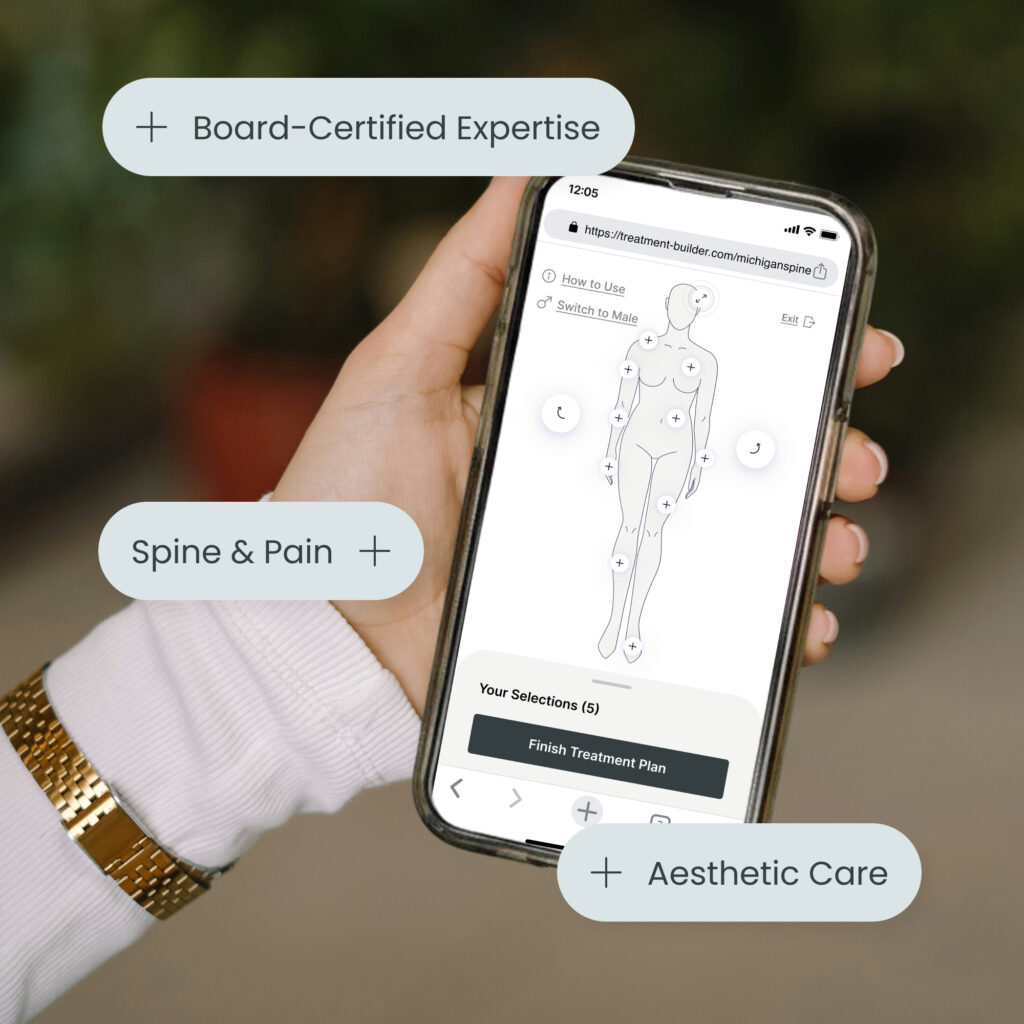
Reach out with questions or use our treatment building tool to share what you’re experiencing. We’ll help you find the next steps that make sense for your life.