
Michigan Spine & Pain

Mt. Pleasant, Gaylord, & West Bloomfield, MI


Schedule Your Appointment Today

1-800-586-7992

Mt. Pleasant, MI – 989-772-1609
West Bloomfield, MI – 248-851-PAIN (7246)

Menu
  • Home
  • About Us
    • Why Michigan Spine and Pain
    • Our Mission
    • Testimonials
    • Close
  • Med Spa
  • Physicians & Staff
    • Dr. Marvin Bleiberg
    • Dr. Herman Ruiz
    • Stuart A. Firsten, DC
    • Dr. Brian Emrys, D.C.
    • Amy McDonald, MSPT
    • Adam Wilson, PA
    • Shara Wohlscheid, PA-C
    • Close
  • Real Pain, Real Solutions
    • Diagnosis
      • Spinal Stenosis
      • Herniated Disc / Bulging Disc / Protruding Disc
      • Cervical / Neck Pain
      • Degenerative Disc Disease
      • Fibromyalgia
      • Headaches
      • Hip Pain
      • Low Back Pain
      • Knee Pain
    • Treatment
      • Chiropractic Treatment
      • Acupuncture
      • Physical Therapy
      • Spinal Decompression Therapy
      • ExoMind
      • Comprehensive Multi Specialty Pain Relief
      • Interventional Procedures
      • High Power Therapy/Photobiomodulation
      • Technology
      • Patient Care
    • Close
  • Resources and Forms
    • Patient Portal
    • Pay My Bill
    • Payment Plans
    • Care Credit
    • No Surprises Act
    • Request Medical Records
    • Close
  • Locations
    • West Bloomfield
    • Mt. Pleasant
    • Close
  • Contact Us

Spring Cleaning for your Body

shoes runningIf you have been cooped up inside during our long, difficult winter, the sunny skies and clear roads are calling you!  But, even the fittest of us have to ease into spring time exercise, especially if the winter has been a time of couch sitting and excessive screen time.  If January and February brought only binge eating and binge watching favorite shows, April promises warmer weather and opportunities for walking, jogging, running, golf, and tennis abound.

Here are some pointers to getting that behind back in gear:

  1. Underestimate how fit you are.  Don’t go from three months on the couch to a 10 mile run.  Assume you are out of shape and start slowly.
  2. Look at your old sports shoes.  Maybe it’s time to reinvest in some new equipment!
  3. Build up your time in cardiovascular activity.  Even if the first day consists of only a fifteen minute walk, that’s ok.  Every day add more time (5-15 minutes each day).
  4. Exercising every day even for shorter periods is a much healthier choice than exercising strenuously once a week.  Thirty minutes of moderate exercise every single day is good for weight management, blood pressure, cholesterol levels and maintaining appropriate blood sugar.

If you are already exercising three times a week with weight-bearing exercises, good for you!  Consider increasing the amount of the weights slightly and challenge yourself.

Please remember to always consult your health care provider before beginning any new exercise regimen.

Filed Under: News Tagged With: exercise, spring, spring cleaning, warmer weather, weekend warrior, your body

Striving to Make Our Service “Painless”!

In addition to keeping our professional teams on top of the latest in the clinical applications of pain alleviation science, Michigan Spine and Pain is always looking at trends and emerging best practices in the field of practice management.  We want our office to run in the best possible way in order to offer our patients the best possible opportunities for pain relief healthcare.  We are always interested in learning what our patients in particular, and healthcare consuming public, in general, wants most from their experiences with our medical practice.

PSFK Labs, a NYC-based marketing specialty firm in cooperation with the pharmaceutical research firm Boehringer Ingelheim recently released an in depth marketing study examining some of the most important trends that will guide the future of healthcare access and delivery.  “We’re witnessing the emergence of a proactive and empowered patient who is more in control of their personal health choices. Armed with information about their lifestyle and conditions, they expect their relationships with their doctors to be more personal and collaborative, as they work together towards achieving the best outcomes.” (source: www.psfk.com/publishing/future-of-health-2014#!Ar218)  Seven trends that the report specifically highlights are:

1. Data Synergies

2. Living Health Databases

3. Instant Access

4. Informed Conversations

5. Prescription for Technology

6. Responsive Care Systems

7. Consumer-Driven Marketplace

A brief explanation of each of these trends – as excerpted from www.psfk.com – follows:

Data Synergies — As people begin to generate a greater volume of personal health data…  People will want control over this information to ensure that they receive the greatest benefit from shared access…

Living Health Databases — Research database that can be mined for deeper insights about individuals and communities.  Doctors can use these insights to support better assessments about conditions, treatment effectiveness and warning signs.

Instant Access — …the ability to connect with their doctors through a wider variety of platforms and channels – video, online, mobile and social – to receive care that is more personal, regular and convenient.

Informed Conversations — As consumers broaden their healthcare networks to include, wellness experts and patient communities, they’ll require access to personal medical results and resources that are accurate, standardized and easily understood to facilitate discussion and collaborate on treatment plans.

Prescription For Technology — More digitally-savvy consumers are looking to their doctors and healthcare providers to be technology and information advisors in the medical space.

Responsive Care Systems — As sophisticated health monitoring and analysis technologies develop for the consumer and professional marketplaces, we’ll see a transition to a more responsive model of care that steps in to provide support at key moments. These systems will automate processes like appointment and medication reminders, and prompt when human input is required, such as when a patient is deviating from their treatment.

Consumer-Driven Marketplace — As consumers take advantage of connected technologies, social tools and information resources to become more knowledgeable about their health and that of their families, there will be a subsequent push for healthcare options that better fit their lifestyle choices.  (source: www.psfk.com/2014/02/key-takeaways-future-health.html#!AsjhA)

It is important to us to know what works well for you about your experiences with your care at our office.  We agree that the trends highlighted here are with us to stay; Michigan Spine and Pain will be ready for the future opportunities and challenges of providing excellent modern care to our informed patients living in a digital world.  What would you like to see more of, what do you think might work best for you?  Let us know.  We are here today, tomorrow and in the future because of and – for – of our fantastic patients.

Filed Under: News Tagged With: marketing research, patient satisfaction

Exploring Peripheral Neuropathy

Peripheral – adjective, pe·riph·er·al  –  pəˈrifərəl/

Neuropathy – noun, neu·rop·a·thy  –  n(y)o͝oˈräpəTHē/

Peripheral Neuropathy is not a single, identifiable disease.  Really it is it is a complication found in a number of different medical conditions from cancer to degenerative disk disease or diabetes. Neuropathy can also be seen without any particular cause being diagnosed.  This is referred to as idiopathic peripheral neuropathy.  Any number of the nerves outside of the brain and spinal cord may be involved.  Three main types of nerves can be involved in peripheral neuropathy: Autonomic nerves (not under conscious control, “automatic” or “involuntary” nerves), motor nerves and sensory nerves.  Some of the specific names of nerves that fall into these groups include

  • Phrenic – C3-C5 – diaphragm
  • Radial – C5-C8, T1 – skin and muscles of posterior arm, forearm, and hand, plus thumb and first two fingers
  • Median – C5-C8, T1 – skin and muscles of anterior arm, forearm, and hand
  • Ulnar – C8, T1 – skin and muscles of medial arm, forearm, and hand, plus little finger and ring finger
  • Intercostal – T2-T12 – intercostal muscles, abdominal muscles, and skin of trunk
  • Femoral – L2-L4 – skin and muscles of anterior thigh, plus medial leg and foot
  • Sciatic – L4-S3 – skin and muscles of posterior thigh, leg, and foot.

(source:www.innvista.com/health/anatomy/spinal-and-major-peripheral-nerves/)

Approximately one dozen different conditions related to nerve damage and pain can commonly be found throughout medical literature.  Other very rare Peripheral neuropathy-related pain scenarios sometimes do present in certain hard to identify or treat situations.  The most common types of neuropathy include:

  • Autonomic Neuropathy
  • Cancer-Related Neuropathies
  • Chemotherapy Induced Neuropathy
  • Compressive Neuropathies
  • Diabetic Neuropathy
  • Drug-Induced Neuropathy and Toxic Neuropathy
  • G.I. and Nutrition-Related Neuropathies
  • Hereditary Neuropathies
  • Infectious Diseases and Neuropathy

Because each different type of Peripheral Neuropathy can have a very unique expression of symptoms, it is important to have a conversation about any of your questions, symptoms or concerns with your doctor.

We have treated countless numbers of patients with Peripheral Neuropathy at Michigan Spine and Pain.  Your symptoms might include intense pain – or even a lack of appropriate sensation.  The range of sensation intensification and/or sensation loss can be very large from one patient to another with a Peripheral Neuropathy diagnosis.  With our team at your side you can be confident that we are here to support you throughout your journey with Peripheral Neuropathy pain management.  We are familiar with a wide range of traditional, complementary and alternative practices that have helped many of our patients.  Have you been diagnosed with Peripheral Neuropathy?  Are you looking for some additional treatment perspective or options?  Don’t stay on the edge of knowledge about this complex issue.  We’re here to talk and here to help.

Filed Under: News

Influencing Drug Companies for Change

Seeing Positive Signs 8 years later…

British journalist Jacky Law’s 2006 book, Big Pharma: How the World’s Biggest Drug Companies Control Illness was a chart-topper that exposed how pharmaceutical companies (and their business/profit departments…) that decide which health care issues are researched and which medicines are produced in light of the failure of regulatory standards and laws that were supposed to mitigate the pharmaceutical companies will to peruse profit in deference to improvements in public health.  The spotlight shone on this issue by Law almost a decade ago has lasted and has compelled many pharmaceutical corporations to engage in a more public discourse about drug research and, no doubt, helped build the foundations for last month’s February 4th announcement by the National Institutes of Health:

PillsFeb 4 (Reuters) – Ten big rival drug companies have formed a pact to cooperate on a government-backed effort to accelerate the discovery of new drugs, the Wall Street Journal reported.  The companies and the National Institutes of Health (NIH) will share scientists, tissue and blood samples, and data, to identify targets for new drugs for diseases such as Alzheimer’s, Type 2 diabetes, rheumatoid arthritis and lupus, the Journal said.  The collaboration, called the Accelerating Medicines Partnership, will cost about $230 million and involves drug makers such as Bristol-Myers Squibb Co, Johnson & Johnson, GlaxoSmithKline, Takeda Pharmaceuticals and Sanofi.  The agreement prohibits participants from using any discovery for their own drug development until the project makes data public on that discovery. (source: www.reuters.com/article/2014/02/04/nih-drugspact-idUSL3N0L915B20140204)

Filed Under: News

From the “Not So Surprising News” Department:

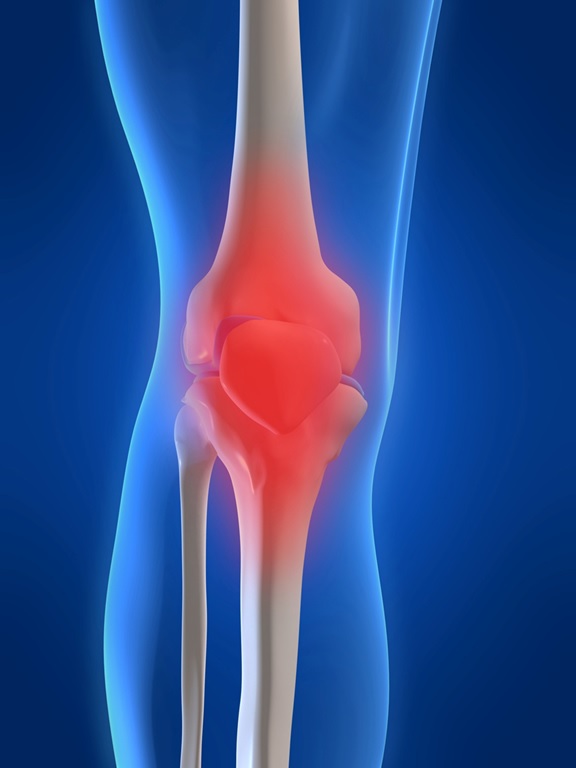
If you ignore your pain it won’t always go away.  Sometimes it will make things much worse.  Did your son, daughter in law, spouse or bowling buddies just remind you of that last week?  Well, they are not wrong.  Reuters Medical reported in December of last year on a British Geriatric Society study titled A Longitudinal Study of Knee Pain in Older Men.  The Journal reports” chronic knee pain is still considered a fairly benign disease by many, an ‘unavoidable’ consequence of ageing. This passive acceptance may be unnecessarily exposing older people to disability and serious co-morbidity (source: http://ageing.oxfordjournals.org/content/early/2013/12/05/ageing.aft188.abstract?sid=767c8821-4b55-46b5-839f-79d45be14e1e)  The lead author of this project, knee in painMarlene Franzen, is an associate professor of physiotherapy at the University of Sydney in Australia.  “Chronic knee pain is not a ‘benign’ disease,” she told Reuters Health. “It does lead to a greatly increased risk of falls and developing mobility disability, and therefore increased risk of early mortality.”  Her team’s conclusion:  … patients should see their doctors for an effective and safe pain management strategy, and a physiotherapist for a recommended physical activity program … (http://uk.reuters.com/article/2013/12/20/us-knee-pain-idUKBRE9BJ0XT20131220)  The Physiatrists at Michigan Spine and Pain could not agree with her more.

If you are a current patient of ours and knee pain develops as a new condition it is important to let your care team know details like onset, duration and severity of your symptoms.  If knee pain is an on-going issue and something about your condition changes we can help you address the issue before pain begins to limit your everyday activities or mobility.

Filed Under: News

Online Resources for Pain Management Help

When you are experiencing chronic pain it can be helpful to have a supportive community.  Sometimes you friends and family lack the answers you need in your search to understand and conquer your pain.  There are some really great resources on-line that we want to make sure you are aware of.  While not everything on the web is vetted by our medical leadership team and we always will encourage you to communicate with your doctors in person, here are some web-based resources, presented as both educational videos and written resources, that you might find insightful and informative.  You are not alone in your journey with pain management.

The American Chronic Pain Association has a collection of videos on subjects that range from the definition and meaning of chronic pain to the experiences of farmers, ranchers and veterans living with pain. http://theacpa.org/videos

The American Headache Society hosts professional as well as patient resources on its web site www.americanheadachesociety.org.  You can find Headache: The Journal of Head and Face Pain, a publication specifically for patients at this link: www.headachejournal.org/view/0/index.html  If it interests you, we especially encourage you to listen to some of the podcasts listed in the menu on the left of the screen.  Some of the podcast subjects include:

  • Cluster Headache – Acute and Prophylactic Therapy
  • Interview with poetry author and migraine sufferer, Pam Kress-Dunn
  • Migraine and Obesity: Epidemiology, Mechanisms, and Implications

www.painresearchforum.org is the web address for the Pain Research Forum.  Primarily targeted to researchers and practitioners in the fields of clinical pain medication and research and development, this web site is open to the public for those individually interested in understanding some of the scientific and academic conversations occurring amongst pain management professionals.  Don’t let article titles like “Blockade of Toll-Like Receptor 4 Attenuates Morphine Tolerance…” or “Hyperexcitable C nociceptors in fibromyalgia.” Throw you off.  This web site offers engaging and intellectually stimulating research-based analysis form leading experts in the very specialized community of pain medicine.

Finally, www.pain-topics.org offers a deep variety of resources, reports, event announcements and treatment option information in a user friendly format.

Filed Under: News

Ready? Winter has Arrived

Just peek outside!  The first snow of this already colder-than-average season is falling and sticking…  The time is here to act proactively and keep Michigan’s wonderful winter weather from taking a toll on your back.  Following a few important tips outlined by our colleague Ann Duffy, M.A., P.T., could make all the difference if you need to plow through the snow.  Ann serves as an officer of the American Physical Therapy Association and if interested, you can more from Ann at: www.physiquality.com.

[Read more…]

Filed Under: News

Does the Fear of Pain Slow You Down?

Have you ever heard of the Tampa Scale for Kinesiophobia?  Has anyone on your pain recovery healthcare team asked you to evaluate these statements at an office visit?

  • I’m afraid that I might injure myself if I exercise
  • My body is telling me that I have something dangerously wrong
  • My accident has put my body at risk for the rest of my life
  • I am afraid that I might injure myself accidently
  • No one should have to exercise when he/she is in pain

Chances are that the health care professional who presented these statements to you were utilizing a 17 question scale known as the Tampa Scale for Kinesiophobia which was developed to measure an individual patient’s fear of movement related to chronic lower back pain.

[Read more…]

Filed Under: News

From the American Academy of Pain Management 24th Annual Clinical Meeting

Over the past month, we have shared with you a few of the most interesting topics and conversation emerging in the world of pain management.  The September 2013 gathering of the American Academy of Pain Management (AAPM) allowed for discussion of a variety of topics with some of the most prominent research, development and clinical care professionals in our field.

One topic that clearly had a new, higher, level of important focus at this year’s gathering was an emerging field of research indicating that pain in children goes largely untreated.  A study conducted by Purdue Pharma included data on 25.5 million pediatric patients and indicated that up to 76% of children in medical settings did not receive prescription pain medication.  Conditions in the study associated with pain included sources of common childhood complaints like orthopedic conditions, trauma, arthritis, and migraine.  (source: www.purduepharma.com)

[Read more…]

Filed Under: News

How Children Experience Pain

Living with chronic pain – or recovering from acute pain – is, unfortunately, not limited to the world of adults and is an issue that many children live with, as well.  We would like to address the topics of back pain in youth and chronic tension headaches in teens by providing you with information about some interesting current research and news related to both of these important subjects.

Headaches – A Study Beyond Medication

Pain in kids and teens is a real problem.  In addressing the unique needs of this age group who live with any degree of on-going physical pain, Dr. Peter Przekop, lead author of a recent study on teens and pain, explains: “If you meet these kids, they’re not doing well in school, they don’t have friends, they’re staying home, they don’t feel good about themselves. That’s the thing I wanted to change, and that actually improved,” he pointed out. “I think they were able to cope with their overall pain and overall stress and change the way they perceived the world and how they perceived themselves.”(www.medscape.com/viewarticle/811915?src=wnl_edit_tpal&uac=210668CJ)

[Read more…]

Filed Under: News

  • « Previous Page
  • 1
  • 2
  • 3
  • 4
  • 5
  • Next Page »

Real People, Real Relief

Getting you back to your active life: that is the philosophy that Michigan Spine & Pain follows. Read more.

  • images (1)
  • images (2)
  • images (3)
  • images (4)
  • images (5)
  • images (6)
  • images
  • MISP_Blog-3_ID-No._94983727-1
  • 109709590_3239691509407631_2736773273530187624_n

Real Relief

  • Spinal Stenosis
  • Herniated / Bulging / Protruding Disc
  • Cervical / Neck Pain
  • Degenerative Disc Disease
  • Headaches
  • Hip Pain
  • Low Back Pain
  • Knee Pain
  • Fibromyalgia
  • view all

Real Solutions

  • Pain Relief
  • Interventional Procedures
  • Chiropractic Treatment
  • Physical Therapy
  • Acupuncture
  • Patient Care
  • Technology
  • view all
  • Email
  • Facebook
  • Twitter

Locations

Mount Pleasant, Michigan
2935 Health Parkway., Mt. Pleasant, MI 48858

West Bloomfield, Michigan
6079 W. Maple Rd., West Bloomfield, MI 48322

Privacy Policy

Our Sister Company

Copyright © 2025 Michigan Spine & Pain | Managed by Access Technology